Home Blog

NYC Citywide Scavenger Hunt: Explore the Five Boroughs

There is a distinct magic in wandering through New York City and stumbling upon a piece of history you never knew existed. To help locals and visitors tap into that feeling, city civic organizers and local partners have launched an exciting NYC citywide scavenger hunt initiative. This community-driven program invites everyone to explore the diverse cultural heritage and public spaces that make our five boroughs so unique.

By challenging participants to look closer at their surroundings, the initiative aims to foster deep community connection and boost local neighborhood exploration. Whether you are a lifelong resident or a curious traveler, this interactive adventure offers a fresh lens through which to view the city.

Why the NYC Citywide Scavenger Hunt Connects Communities

Historically, municipal tourism programs focus heavily on midtown Manhattan landmarks. The NYC citywide scavenger hunt model flips this script by drawing people into neighborhoods they might otherwise overlook. From the quiet shores of Staten Island to the vibrant streets of the Bronx, the hunt highlights under-the-radar historical sites and municipal parks.

Using a mix of digital guides and physical clues, participants can decode riddles that lead to historic monuments, preserved homes, and pocket parks. Along the way, the initiative encourages foot traffic to local mom-and-pop shops, bodegas, and neighborhood cafes. It is an engaging way to support local economies while celebrating the public infrastructure that binds us together.
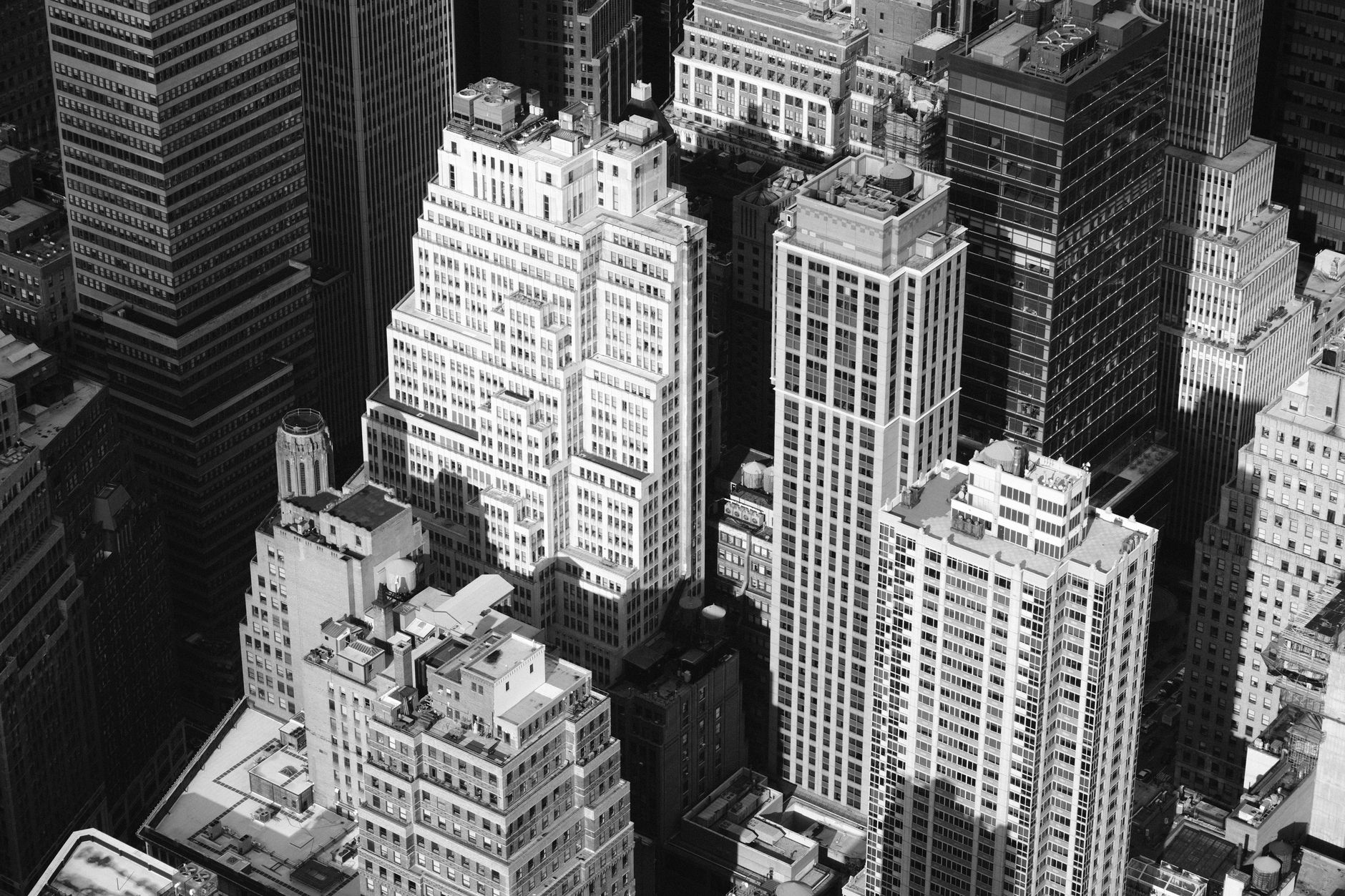
Spotlighting the Five Boroughs, New York City
Spotlighting the Five Boroughs, New York City | Source: Pexels

Spotlighting the Five Boroughs

To give you a taste of what to expect, these hunts wind through remarkable spaces that tell the complex story of New York. Here are a few notable areas and landmarks that capture the spirit of this citywide exploration.

Queens: Cultural Crossroads and Hidden Legacies

Queens is celebrated as one of the most diverse urban areas in the world, and its public spaces reflect that rich tapestry. Scavenger hunts frequently guide participants through historic neighborhoods where monumental cultural moments occurred.

For example, as you search for clues in Queens, you might find yourself wandering through the tree-lined streets of Jackson Heights. This neighborhood is famous for its historic garden apartments and its culinary diversity. It is also home to incredible local lore, such as the fascinating history of how Scrabble was invented in Jackson Heights. Uncovering these neighborhood stories is exactly what makes this citywide initiative so rewarding.

The Bronx: Historic Parks and Green Oases

Many people associate the Bronx with the birth of hip-hop and Yankee Stadium, but the borough also boasts some of the city's largest and most historic green spaces. The NYC citywide scavenger hunt highlights these public parks as crucial community hubs.

In places like Van Cortlandt Park, clues might lead you to the Enslaved African Burial Ground or historic stone ruins dating back to the Revolutionary War. Exploring these sites offers a profound reminder of the layers of history beneath our feet. You can learn more about the preservation of these vital green spaces on the official NYC Parks website.

Manhattan: Beyond the Standard Tourist Path

While Manhattan is home to famous skyscrapers, the NYC citywide scavenger hunt challenges players to find the quiet, artistic, and unusual corners of the island. Instead of the typical Empire State Building views, clues might guide you toward secret indoor installations or historic alleyways.

For those who love discovering oddities, Manhattan is full of unexpected treasures. You might find yourself searching for clues near quiet historic homes or even pondering the artistic legacy of SoHo's mysterious Earth Room. The hunt reminds us that even the most heavily touristed borough still holds secrets waiting to be uncovered.

Staten Island and Brooklyn: Waterfronts and Revolution

The outer boroughs offer some of the most dramatic historical backdrops for the hunt. In Brooklyn, participants might track clues along the waterfront of DUMBO or delve into the borough's pivotal role in the Underground Railroad.

During your NYC citywide scavenger hunt journey through Staten Island, you will discover places like Conference House Park. This site offers a journey back to 1776, where a peace conference was held to try and prevent the Revolutionary War. Walking these paths, with the salt breeze coming off the water, connects you directly to the foundational moments of American history.


🎟️ ICONIC LANDMARK

Verified Local Partner

Empire State Building: 86th Floor Observatory Ticket

Ascend to New York’s most legendary open-air observatory. Stand 1,050 feet above Fifth Avenue with unobstructed views across all five boroughs.

✓
Instant mobile confirmation on your smartphone
✓
Includes access to 2nd-floor interactive historical exhibits
✓
Flexible booking with free cancellation option


Check Tickets & Time Slots on GetYourGuide →

🛡️ Best price guarantee • Secure checkout • Instant mobile confirmation

How to Participate in the Hunt

Joining the adventure is simple. Organizers aim to make these hunts highly accessible, offering both digital app-based platforms and printable physical guides for families who want to unplug.

  • Step 1: Access the official digital guide online or check with participating local community hubs for physical maps.
  • Step 2: Choose your borough or take on the ultimate challenge of completing clues in all five.
  • Step 3: Solve riddles to locate hidden markers near historic landmarks and municipal parks.
  • Step 4: Log your discoveries online to earn neighborhood badges and learn about exclusive promotions at local businesses.

This initiative is a beautiful reminder that our public spaces belong to everyone. By participating in an NYC citywide scavenger hunt, you are not just playing a game—you are actively engaging with the living history and diverse communities that make New York City such an extraordinary place to explore.
NYC Chopped Cheese Recipe at Home: Authentic Bodega Guide

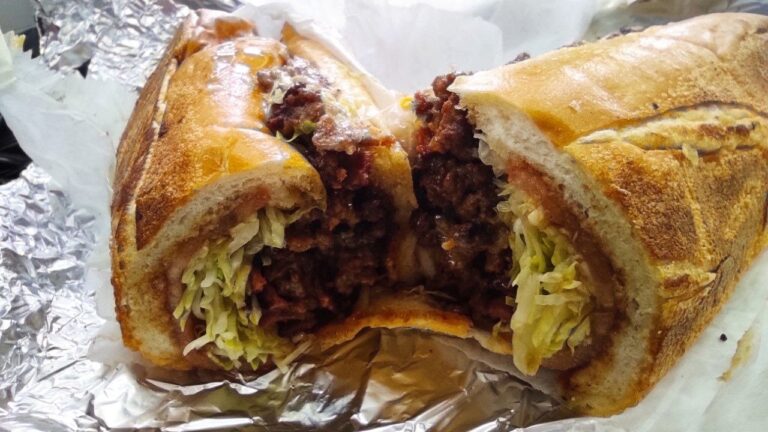
Walk into a corner deli in East Harlem, and your senses immediately tune into a distinct rhythm. You hear the sharp, metallic clack-clack-clack of a heavy spatula striking a flat-top griddle. Rich aromas of seared ground beef, sweet onions, and garlic fill the air. Recreating this classic street-food staple at home is straightforward when you follow the traditional bodega preparation technique.

Originally a hyper-local neighborhood specialty served inside uptown corner stores, this sandwich has earned wide recognition across New York City. Understanding its history, flavor mechanics, and precise assembly steps allows you to execute an authentic bodega-style sandwich in your own kitchen using a hot cast-iron skillet.

The History of Harlem’s Iconic Sandwich

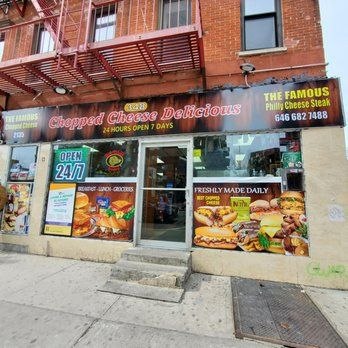
To understand the sandwich, trace its roots back to East Harlem. The chopped cheese originated at Blue Sky Deli—known locally as Hajji's—located at 1st Avenue and 110th Street. Created by Yemeni bodega workers, the sandwich adapted traditional minced meat preparations to everyday American bodega ingredients, becoming an affordable meal for the neighborhood.

NYC bodega storefront advertising famous chopped cheese sandwiches

Unlike a Philadelphia cheesesteak, which relies on thinly sliced ribeye, an authentic NYC chopped cheese uses ground beef chuck or burger patties. It was built for speed, affordability, and comfort. While local dining trends shift and the broader NYC outdoor dining scene continues to evolve, the humble bodega flat-top remains an enduring fixture of New York food culture.

Culinary Science: What Makes a Chopped Cheese Unique?

While some view a chopped cheese as simply a cheeseburger on a hero roll, the griddle mechanics set it apart. As detailed in culinary documentation on Wikipedia, chopping the meat directly on a hot surface creates fine edges that maximize the Maillard reaction—the chemical reaction between amino acids and reducing sugars that produces a savory crust.

When ground beef chuck is seared and chopped alongside finely diced yellow onions, the onions absorb rendered fat and cook rapidly against the iron.

The defining flavor characteristic lies in the seasoning. Authentic bodega cooks season the beef generously during the sear with Latin-Caribbean Adobo seasoning—a blend typically containing garlic powder, oregano, turmeric, salt, and black pepper.

Finally, structural assembly plays a key role. Melting slices of American cheese directly over the chopped beef binds the crumbled meat into a cohesive, juicy filling that holds together inside a warm hero roll.

Essential Ingredients for the Home Cook

To recreate this East Harlem staple at home, gather these standard ingredients:

  • Ground Beef Chuck: 1/2 pound (an 80/20 fat ratio provides optimal moisture).
  • American Cheese: 2 slices (yellow American cheese provides the classic melt).
  • Yellow Onion: 1/2 medium onion, finely diced.
  • Adobo Seasoning: 1 tablespoon Latin-Caribbean Adobo seasoning blend.
  • Hero Roll: 1 fresh hero, hoagie, or sub roll.
  • Butter or Oil: 1 tablespoon unsalted butter or neutral cooking oil.
  • Toppings: Shredded iceberg lettuce and thin tomato slices.
  • Condiments: Mayonnaise, ketchup, or yellow mustard.
  • Foil or Wax Paper: Essential for the final wrapping step.

Mastering the NYC Chopped Cheese Recipe at Home

Turn on your stove's exhaust fan and heat a heavy cast-iron skillet over high heat until hot.

Step 1: Toast the Hero Roll

Slice your hero roll lengthwise, leaving a hinge on one side. Spread a light coat of butter on the inside faces and place the bread cut-side down on the skillet for 30 to 45 seconds until light golden brown. Remove the roll and set it on a cutting board.

Step 2: Sear, Chop, and Season

Place ground beef patties directly onto the center of the hot skillet. Scatter diced yellow onions alongside or over the meat. Let the beef sear undisturbed for about 90 seconds to build a brown crust.

Using two metal spatulas, flip the beef over. Immediately chop the meat into fine crumbles while folding in the softening onions. Sprinkle the Adobo seasoning over the meat while chopping.

Step 3: Shape and Melt

Once the meat is browned and cooked through, sweep the chopped beef and onion mixture into a long rectangular pile matching the length of your hero roll. Lay the American cheese slices flat across the top. Lower the heat and let the cheese melt over the beef for roughly 45 seconds.

Step 4: Assemble and Foil-Wrap

Spread mayonnaise and ketchup on the inside of your toasted hero roll, then add shredded lettuce and tomato slices. Using a long spatula, lift the entire cheese-covered beef filling and transfer it into the roll.

Immediately wrap the assembled sandwich tightly in aluminum foil or butcher paper, and let it rest for 60 to 90 seconds.

This brief resting period allows trapped steam to soften the bread slightly while setting the cheese, beef juices, and condiments together. Slice the wrapped sandwich through the center with a serrated knife, fold back the paper, and serve.

🗽 NYC Insider Logistics: Blue Sky Deli (Hajji’s)
📍 Address: 2135 1st Ave, New York, NY 10029 (at E 110th St) (East Harlem, Manhattan)
🚇 Subway: 6 train to 110th St
⏰ Best Time: Late afternoon or late night for fast flat-top action

💡 Insider Tip: Order your chopped cheese ‘with everything’—lettuce, tomato, mayo, ketchup—and never unwrap the foil completely while eating to keep the sandwich intact.
This Chopped Cheese Will Make You Think You're In a NY Deli | Source: YouTube (Mr. Make It Happen)

Bringing Bodega Culture Home

Eating a hot chopped cheese straight out of paper wrapping offers an authentic taste of city convenience. Just as exploring NYC coffee and beer hybrids demonstrates how New Yorkers mix tradition and modern taste, mastering this classic bodega cooking method links your kitchen directly to uptown culinary history.

5 Moving Poems About September 11: NYC Tributes

0

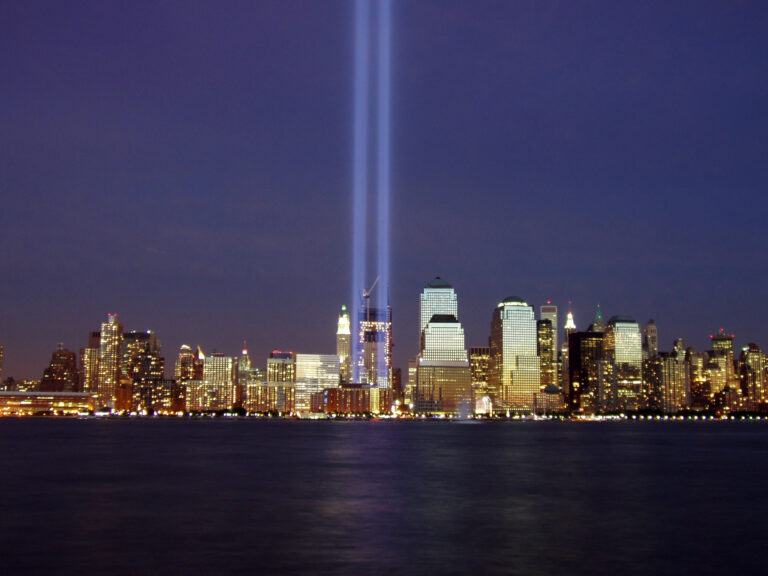
When the sun rose over Manhattan on September 11, 2001, the sky was clear and bright. Hours later, the city’s skyline changed forever, leaving New York in a heavy shock that ordinary prose could barely articulate. In the days that followed, art became a vital bridge toward collective processing and healing.

Poets from around the world put pen to paper to address the tragedy. Among the body of literature that emerged, several key poems about September 11 provided comfort, preserved memory, and captured the vulnerability of that week. These literary tributes continue to resonate today as historical testaments to grief and endurance.

From official recitations before Congress to quiet lines printed in national publications, these works capture New York City’s spirit during a pivotal moment. They sit alongside 9/11 heroes stories in NYC as enduring testaments to courage, compassion, and memory.

‘The Names’ by Billy Collins: A Roll Call of Remembrance

In 2002, United States Poet Laureate Billy Collins composed a poetic memorial for the first anniversary of the attacks. He wrote “The Names” specifically for a special joint session of the U.S. Congress held in New York City on September 6, 2002.

Rather than relying on political rhetoric, Collins took a personal and human approach. He crafted an elegiac roll call, moving alphabetically through the letters of the alphabet to spell out the names of individual victims lost at the World Trade Center, the Pentagon, and in Shanksville, Pennsylvania.

Yesterday, I glanced down the list of names.
It begins with Ackford, Adams, Adams, Adams,
and it ends with Zadroga, Zampieri, Zangrilli, Zinzi.
…

Names written in the pale sky.
Names rising in the pale sky.
Names wheeling in the pale sky.
Where they belong, where we will always remember them.
…
Let X be the ghost of a name.
Let X be the name of a soldier.
Let X be the letter that marks the spot.
Let X be a window looking into an empty room.

Lines like “Let X be the ghost of a name” ground a staggering national statistic in individual human loss. The poem reads like a quiet whisper across the American landscape, scattering names upon urban stone and wind.

‘Try to Praise the Mutilated World’ by Adam Zagajewski: Solace in the Aftermath

Timing transformed Polish poet Adam Zagajewski’s poem into a global anthem of reflection. Zagajewski wrote “Try to Praise the Mutilated World” months before the attacks, inspired by his travels through Europe and reflections on historical loss.

When The New Yorker published Clare Cavanagh’s English translation on the back page of its September 24, 2001 issue, it resonated deeply with a grieving city. Readers across the world pinned the poem to bulletin boards, saved news clippings, and shared it with loved ones.

Try to praise the mutilated world.
Remember June’s long days,
and wild strawberries, drops of rosé wine.
The nettles that methodically overgrow
the abandoned homesteads of exiles.
You must praise the mutilated world.
You watched the stylish yachts and ships;
one of them had a far trip to go,
while salty oblivion awaited others.
You’ve seen the refugees going nowhere,
you’ve heard the executioners sing joyfully.
You should praise the mutilated world.
Remember the moments when we were together
in a white room and the curtain fluttered.
Return in thought to the concert where music flared.
You gathered acorns in the park in autumn
and leaves swirled over the earth’s scars.
Praise the mutilated world
and the gray feather a heron lost,
and the mild light that strays and vanishes
and returns.

Zagajewski urges readers to honor a fractured world without ignoring the moments of quiet beauty that remain. He offers a message of endurance, showing how life slowly rebuilds itself around deep wounds.

‘Photograph from September 11’ by Wisława Szymborska: Suspended in Time

Nobel Prize-winning Polish poet Wisława Szymborska approached the event with quiet focus. Her poem “Photograph from September 11” (Fotografia z 11 września) centers on a single visual image from that Tuesday morning: individuals forced to leap from the burning upper floors of the Twin Towers.

They jumped from the burning floors—
one, two, a few more,
higher, lower.

The photograph halted them in life,
and now holds them
above the ground toward the earth.

Each is still complete,
with a particular face
and blood well hidden.

There’s enough time
for hair to come loose,
for keys and coins
to fall from pockets.

They’re still within the air’s domain,
within the realm of places
that have just opened.

I can do only two things for them—
describe this flight
and not add the last line.

Szymborska’s verse avoids sensationalizing the horror. Instead, it uses poetic space to freeze time, holding the victims in the air within the stanza before they reach the ground.

By choosing not to describe the final impact, Szymborska grants those lost a quiet dignity, creating one of the most poignant poetic reflections of the modern era.

‘September 17, 2001’ by Lucille Clifton: Immediate Raw Grief

While many writers required extended time to process the trauma, American poet Lucille Clifton responded directly in the immediate aftermath. She wrote “September 17, 2001” just six days after the collapse of the towers.

This morning
we are all walking
into the ruins of our assumptions.
the towers that held us
have fallen into dust
and we are standing
in the open air
with nothing to cover us
but our skin and each other.

Clifton’s poem captures the physical reality hanging over Lower Manhattan—the drifting soot, the smell of debris, and the eerie stillness on downtown streets. Her sparse capitalization and direct tone give the verse an unvarnished, personal quality.

She addresses the sudden realization of national vulnerability, reflecting on how daily security changed overnight. Through concise language, Clifton captures the collective grief felt by New Yorkers navigating the city in those early days.

‘When the Towers Fell’ by Galway Kinnell: Downtown Manhattan Speaks

Galway Kinnell, a Pulitzer Prize-winning poet and longtime resident of Manhattan, experienced the disaster in his own neighborhood. His poem “When the Towers Fell” is an expansive elegy deeply rooted in the physical reality of Downtown Manhattan in late 2001.

A cloud of white dust blooms over the avenue,
sifting down across windshields and fire escapes.
…
On phone poles and subway tiles,
the faces look out from taped paper—
smiling, holding children, caught in summer light.
Have you seen him? Have you seen her?
…
The city breathes in its own ashes
and stands stunned in the morning light.

Kinnell incorporates historical echoes, drawing inspiration from Walt Whitman’s nineteenth-century odes to New York City. He describes the heavy cloud hanging over the streets, the missing persons flyers posted on phone poles, and the stunned silence at the city’s center.

By combining personal observation with historical reflection, Kinnell captured both the physical destruction at Ground Zero and the emotional impact felt across Lower Manhattan neighborhoods.

🗽 NYC Insider Logistics: National September 11 Memorial & Museum
📍 Address: 180 Greenwich St, New York, NY 10007 (Lower Manhattan, Manhattan)
🚇 Subway: R/W to Rector St or E to World Trade Center
⏰ Best Time: Early morning (8:00 AM – 10:00 AM) for a quiet, contemplative atmosphere
💡 Insider Tip: Access to the outdoor Memorial Plaza with the reflecting pools is free and open daily, but visiting the underground museum requires a timed ticket reserved in advance online.

How Poems About September 11 Help Us Remember Today

Literature plays an important role in how New York City preserves its collective memory. Decades after the events of 2001, reading these poems helps new generations connect emotionally with the history of Lower Manhattan.

Today, literary works and personal testimonies are preserved in the permanent archives at the National September 11 Memorial & Museum, located at 180 Greenwich Street in Lower Manhattan. Visitors standing by the twin reflecting pools can experience how art and history combine to honor the 2,977 victims lost.

If you are planning a reflective walk through Lower Manhattan, taking time to pause at Ground Zero offers a moment of quiet remembrance. You can pair a visit to the memorial plaza with a walk through nearby historic creative neighborhoods, such as Tribeca’s neighborhood art galleries, where artistic expression continues to flourish.

9/11 Heroes Stories: Courage and Sacrifice in NYC

0

9/11 Heroes Stories: Courage and Sacrifice in NYC

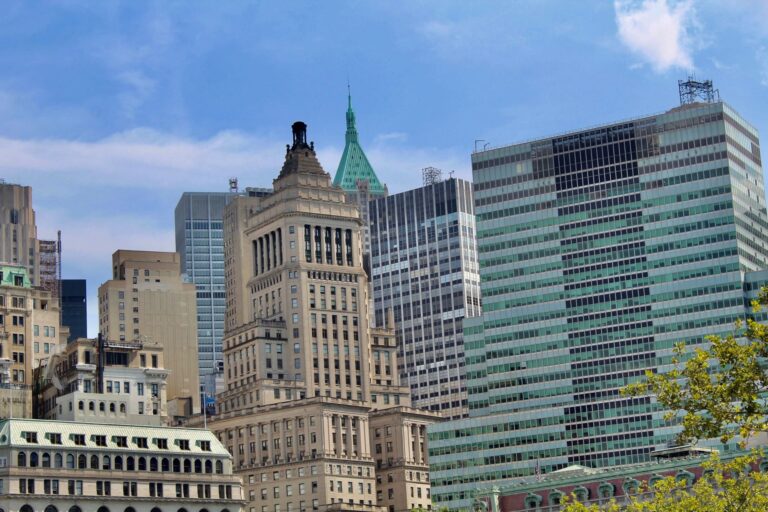
Stepping into Lower Manhattan, modern glass towers reaching skyward stand alongside an unforgettable legacy of sacrifice. Beneath the everyday rhythm of office workers and visitors lies a deep history of bravery. Exploring these historic downtown sites highlights the personal 9/11 heroes stories that define New York’s enduring resilience.

On September 11, 2001, ordinary civilians and first responders acted with extraordinary courage. They ran toward danger to save others, leaving behind legacy stories of sacrifice and hope.

Powerful 9/11 Heroes Stories Born in Lower Manhattan

Among the many remarkable 9/11 heroes stories, few resonate as deeply as that of Welles Crowther. A 24-year-old equities trader working on the 104th floor of the South Tower, Crowther was a former volunteer firefighter from Upper Nyack, New York. When United Airlines Flight 175 struck the building, he tied his signature red bandanna over his nose and mouth to shield against thick smoke and immediately took action.

Portrait of 9/11 hero Welles Crowther

Despite being injured, Crowther organized rescue efforts on the damaged 78th-floor sky lobby. Carrying a woman on his back, he navigated smoke-filled stairwells down to safety before returning upstairs into the building. Survivors recalled a young man in a red bandanna directing traffic, administering first aid, and guiding groups to safety. He helped save at least 18 lives before returning upstairs one final time to search for others, losing his life when the tower collapsed.

His family later donated his red bandanna to the permanent collection at the National September 11 Memorial & Museum, where it serves as a symbol of altruism and courage.

Rick Rescorla and the Evacuation of the South Tower

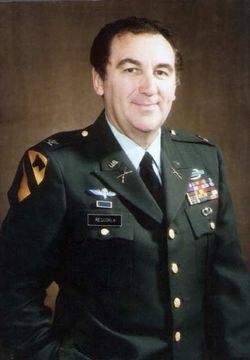
Another civilian hero was Rick Rescorla, Head of Security for Morgan Stanley in the South Tower. A decorated Vietnam War veteran, Rescorla had long anticipated potential security threats to the World Trade Center complex and routinely directed Morgan Stanley employees through emergency evacuation drills.

Portrait of Rick Rescorla in military uniform
Vir: Wikimedia Commons

When the attack occurred on September 11, Rescorla ignored public address announcements advising occupants to stay at their desks. Equipped with a bullhorn, walkie-talkie, and flashlight, he orchestrated a disciplined evacuation of more than 2,700 Morgan Stanley employees. To maintain calm as workers navigated dark stairwells, he sang Cornish folk songs and patriotic tunes.

After ensuring his colleagues reached safety outside, Rescorla re-entered the South Tower to search for remaining individuals on the upper floors. He was last seen heading up the stairs around the 10th floor shortly before the building collapsed. Thanks to his preparation and leadership, the vast majority of Morgan Stanley employees survived.

FDNY Ten House and the Bronze Tribute on Liberty Street

Located at 124 Liberty Street, Engine Company 10 and Ladder Company 10—known locally as "Ten House"—sits directly across from the World Trade Center site. As the closest firehouse to the complex, Ten House was among the very first responders on the scene when the initial plane struck the North Tower.

Five firefighters from Ten House lost their lives during the rescue effort that morning. Spanning the exterior wall of the station is the FDNY Memorial Wall, a 75-foot bronze sculpture honoring the 343 FDNY firefighters who died on 9/11.

Visitors to the memorial wall can observe the detailed bronze relief depicting first responders in action, located just steps from where Lower Manhattan transitions toward Tribeca's historic cobblestones and walking paths.

St. Paul’s Chapel: The Sanctuary That Stood

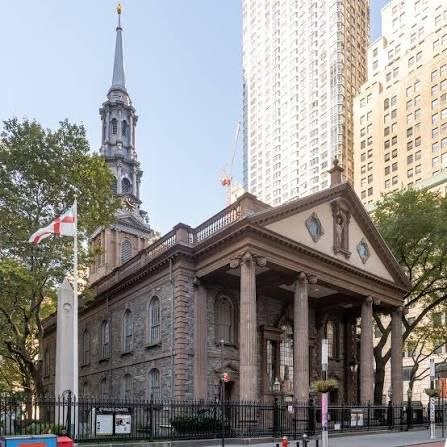
Located at 209 Broadway, St. Paul’s Chapel was built in 1766 and is famous as the site where George Washington worshiped on his Inauguration Day. When the Twin Towers collapsed nearby, St. Paul’s survived intact without a single broken window pane, earning the moniker "The Little Chapel That Stood."

Historic St. Paul’s Chapel building in Lower Manhattan
Vir: Wikimedia Commons

In the days and weeks following the attacks, St. Paul’s served as a 24/7 relief shelter and sanctuary for rescue and recovery personnel, including firefighters, police officers, and construction crews. For eight months, volunteers provided hot meals, cots, medical supplies, and emotional support to workers at Ground Zero.

The chapel is easily accessible via public transit, located near the Fulton St station (4/5 trains) and City Hall station (R/W trains).

🗽 NYC Insider Logistics: National September 11 Memorial & Museum
📍 Address: 180 Greenwich Street, New York, NY 10007 (Financial District, Lower Manhattan)
🚇 Subway: E to World Trade Center, 1 to WTC Cortlandt, 4/5 to Fulton Street
⏰ Best Time: Early weekday mornings (around 9:00 AM) for a quieter, reflective experience

💡 Insider Tip: After visiting the museum, take a short 5-minute walk to St. Paul’s Chapel and the FDNY Ten House wall on Liberty Street to view intimate, quiet tributes away from the main plaza crowds.

Paying Respects at the 9/11 Memorial & Museum

Key artifacts from these heroic acts are displayed at the National September 11 Memorial & Museum at 180 Greenwich Street (accessible via the E train to World Trade Center or the 1 train to WTC Cortlandt).

The underground museum galleries feature preserved first responder turnout gear, damaged emergency vehicles, personal items, and Welles Crowther’s red bandanna. For visitors planning a broader downtown schedule, consulting resources like the New York CityPASS review and guide can assist with entry options for major city landmarks.

For updated exhibition hours, educational programs, and admission details, visit the official National September 11 Memorial & Museum website.

Battery Park City Light Art Festival 2026: Wagner Park Glows

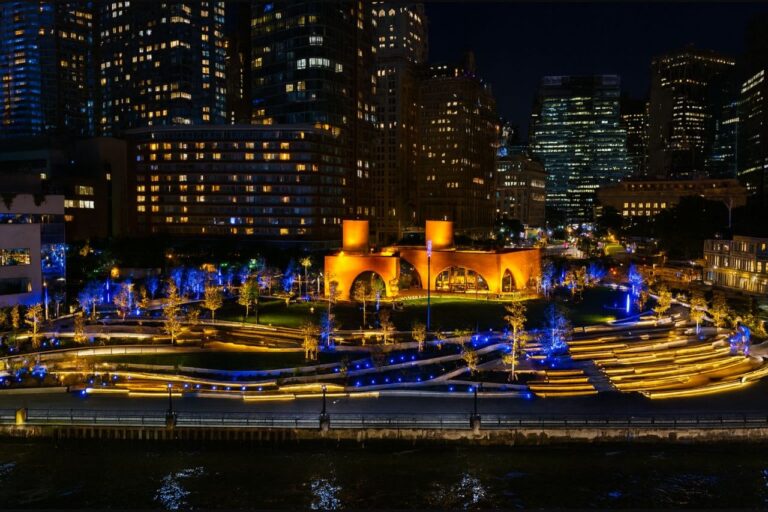
Lower Manhattan’s western waterfront is preparing for a glowing transformation. The Battery Park City Authority has officially unveiled its upcoming cultural calendar, featuring the return of Illumination NYC. The Battery Park City Light Art Festival 2026 will convert Wagner Park into an interactive, luminous outdoor gallery overlooking New York Harbor.

Whether you are a local New Yorker or a visitor exploring downtown for the weekend, this multi-night celebration showcases how public space and creative art intersect along the Hudson River.

Wagner Park as a Luminous Waterfront Canvas

For several evenings in Fall 2026, Wagner Park will serve as the backdrop for over ten large-scale light installations, projection-mapped structures, and luminous sculptures. International visual artists and digital innovators are designing works specifically tailored to interact with the harbor environment, urban architecture, and night sky.

Unlike paid museum exhibitions, this festival is completely free to the public. Visitors can walk along the waterfront, interact with touch-sensitive light arrays, and view the illuminated Statue of Liberty across the harbor. It offers a convenient evening pairing if you spent the afternoon exploring the nearby Tribeca art galleries hub located a short distance north.

What to Expect at the Battery Park City Light Art Festival 2026

The festival lineup features interactive art that responds to movement, sound, and harbor surroundings. Projection mapping transforms park structures into dynamic visual canvases alongside glowing walkthrough installations.

Organizers designed the festival grounds to be walkable across multiple age groups. Wide waterfront walkways, open lawns, and lookout points allow crowds to navigate the installations comfortably.

  • Over ten custom light-art sculptures created by international artists
  • Live projection-mapped visual displays on park structures
  • Synchronized ambient soundscapes accompanying select installations
  • 100% free admission across all event dates
🗽 NYC Insider Logistics: Wagner Park (Battery Park City)
📍 Address: 20 Battery Pl, New York, NY 10280 (Battery Park City, Manhattan)
🚇 Subway: 1 to South Ferry, 4/5 to Bowling Green, or N/R/W to Whitehall St
⏰ Best Time: Dusk through early evening (around 6:30 PM to 9:00 PM)

💡 Insider Tip: Arrive 20 minutes before sunset. You can catch the twilight sky over the Statue of Liberty just as the interactive light displays spark to life.

Planning Your Evening in Lower Manhattan

Visiting Wagner Park during the festival provides a structured downtown evening itinerary. Visitors can start with dinner along the Hudson River Esplanade before heading into the park as the installations illuminate at dusk.

To review official schedules, programming updates, and weather policies as Fall 2026 approaches, visit the official Battery Park City Authority portal.

Combining public art with waterfront views, the Battery Park City Light Art Festival 2026 serves as a major feature of Lower Manhattan's fall cultural offerings.

Catcher in the Rye NYC Locations: Holden Caulfield’s Walk

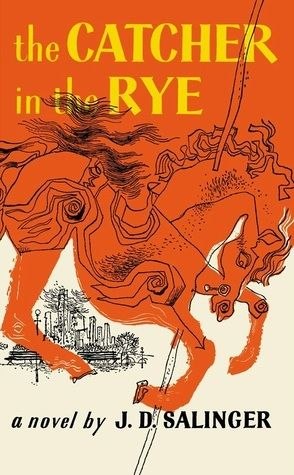
When J.D. Salinger published The Catcher in the Rye in 1951, he handed readers a timeless blueprint of mid-century Manhattan through the eyes of a disillusioned teenager. Decades later, exploring key Catcher in the Rye NYC locations remains one of the most evocative ways to experience the city's rich literary history.

Holden Caulfield’s lost weekend takes place across a chilly December landscape of hotel lobbies, park benches, and grand museum halls. While the city has evolved dramatically since 1949, several key landmarks from Salinger’s masterpiece still stand, waiting for modern travelers to step into Holden’s red hunting cap.

The Duck Pond in Central Park

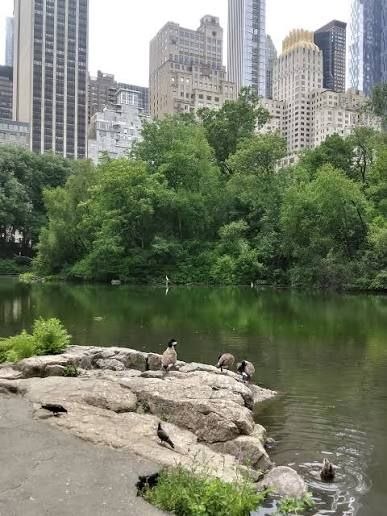
Holden’s famous fixative inquiry—"You know that duck pond down near Central Park South?… Do you happen to know where the ducks go, when it gets all frozen over?"—is one of the novel's most recognizable motifs.

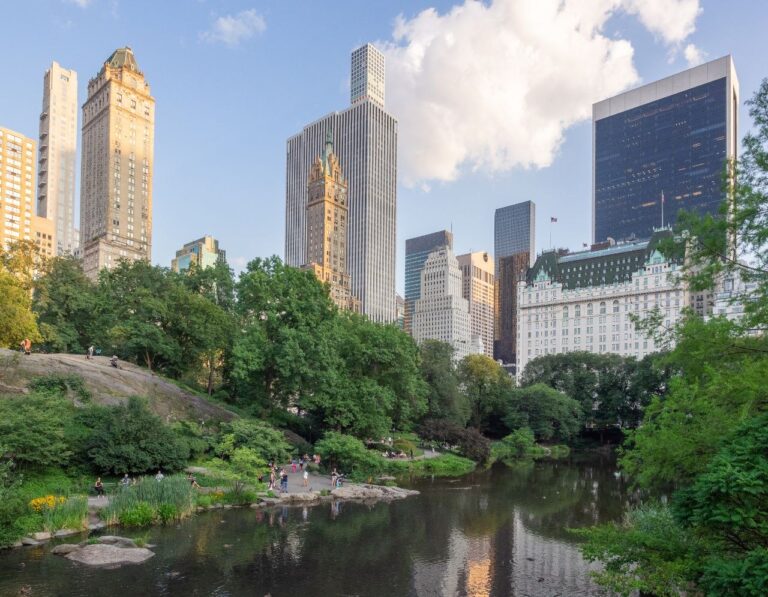
That famous body of water is known simply as The Pond, positioned in the southeastern corner of Central Park near 59th Street and Fifth Avenue. Surrounded by towering skyscrapers and the historic Plaza Hotel, it remains a serene expanse that feels surprisingly detached from Midtown traffic.

Visiting in late autumn or winter captures the exact atmospheric chill Salinger envisioned. Managed today by the Central Park Conservancy, the surrounding paths offer quiet benches where you can watch mallards swim along the water while contemplating childhood transition and change.

Under the Clock at the Biltmore

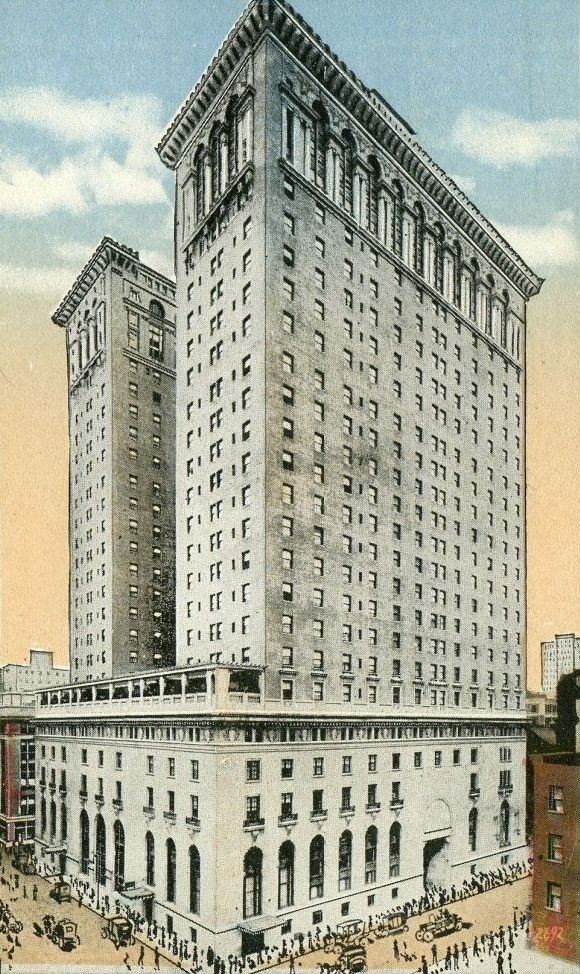
"I was early, but I sat down on one of those leather couches near the clock in the lobby," Holden recalls before his ill-fated date with Sally Hayes. Meeting "under the clock at the Biltmore" was a ubiquitous mating ritual for college students throughout the mid-20th century.

The original Hotel Biltmore at 335 Madison Avenue closed its doors in 1981 and was gutted to make way for a modern corporate office tower. However, the hotel's legendary 1913 bronze-and-mahogany piano clock survived the demolition intact.

Today, you can still step into the grand lobby atrium of 335 Madison Avenue to admire the preserved clock. Standing beneath its face offers a direct connection to a bygone era, reminding visitors how lost architectural history still echoes through modern Midtown.

Radio City Music Hall and Mid-Century Nostalgia

During his solitary wandering, Holden heads to Radio City Music Hall at 1260 Avenue of the Americas to kill time before meeting an old acquaintance. He sits through the famous Christmas Stage Show and a feature film, critiquing the spectacle while cringing at the audience’s emotional reactions.

Catcher in the Rye NYC Locations: Holden Caulfield’s Walk

Opened in 1932, Radio City Music Hall remains an Art Deco masterpiece and a centerpiece of Rockefeller Center. Attending a performance today instantly evokes the holiday bustle Salinger captured in his narrative. If you plan to visit multiple iconic cultural spots along your literary walk, checking an NYC CityPASS review and guide can help streamline admission to top city attractions.

Salinger captured a city undergoing rapid modernization during a golden age of communal gathering spaces. Much like the vanished communal spaces highlighted in the history of the New York Automat, Holden’s journey reminds us how deeply physical places define New York’s emotional memory.

The American Museum of Natural History: Frozen in Time

Catcher in the Rye NYC Locations: Holden Caulfield’s Walk

A poignant section of Holden's wandering occurs on the Upper West Side at the American Museum of Natural History, located at Central Park West and 79th Street. Holden fondly remembers childhood school field trips to the museum, obsessing over the fact that while he grew older every year, the displays remained perpetually still.

Catcher in the Rye NYC Locations: Holden Caulfield’s Walk

Holden specifically highlights the display cases in the Northwest Coast Indian hall, describing the carved canoes and hand-carved figures frozen in quiet perfection. "The best thing, though, in that museum was that everything always stayed right where it was," he reflects.

Walking through the museum's historic wings today feels like stepping directly into Holden’s imagination. While modern curation has updated many exhibits, the grand wooden cases and historic dioramas still evoke that powerful feeling of frozen time.

🗽 NYC Insider Logistics: Holden Caulfield Literary Walk (Start: The Pond)
📍 Address: 59th St & 5th Ave (The Pond) to 79th St & Central Park West (AMNH) (Manhattan (Midtown & Upper West Side))
🚇 Subway: N, R, W to 5th Ave/59th St or 1 to 59th St-Columbus Circle
⏰ Best Time: Late morning in late autumn or winter for atmospheric Salinger vibes

💡 Insider Tip: Start early at The Pond, walk south to 335 Madison Ave to view the preserved Biltmore clock in the lobby, then take the B or C train up to 81st St/AMNH for the final stop.

Mapping Your Catcher in the Rye NYC Locations Walk

Planning a self-guided tour through Holden Caulfield’s Manhattan is straightforward and rewards you with a rich mix of literature, architecture, and urban history.

  • Start at The Pond: Begin at 59th Street and Fifth Avenue to see the Central Park waterfowl.
  • Visit 335 Madison Avenue: Walk south to view the historic 1913 Biltmore Clock preserved in the atrium.
  • Explore Rockefeller Center: Head west to 1260 Avenue of the Americas to stand outside Radio City Music Hall.
  • Head Up to AMNH: Take the subway north to Central Park West at 79th Street to visit the American Museum of Natural History.

Tracing these Catcher in the Rye NYC locations highlights how Salinger’s keen eye captured the enduring spirit of New York City. Whether you are a lifelong literary enthusiast or a curious traveler, this path offers an unforgettable glimpse into Manhattan's cultural geography.

NYC Permanent Outdoor Dining Program: What to Know

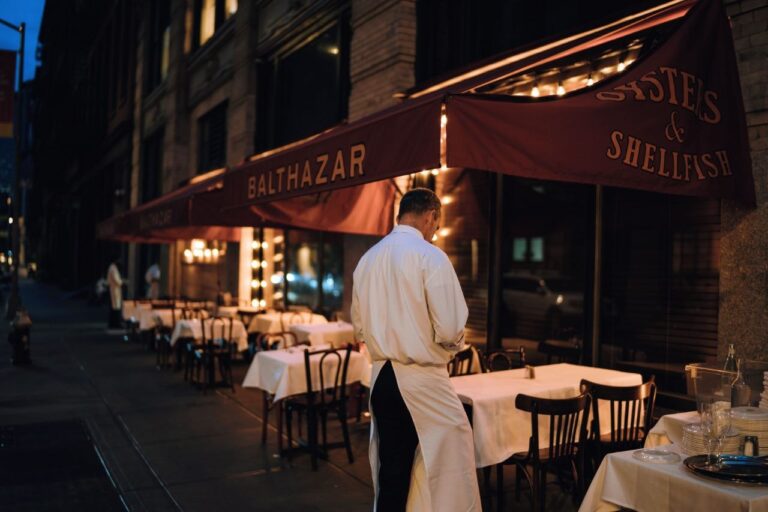
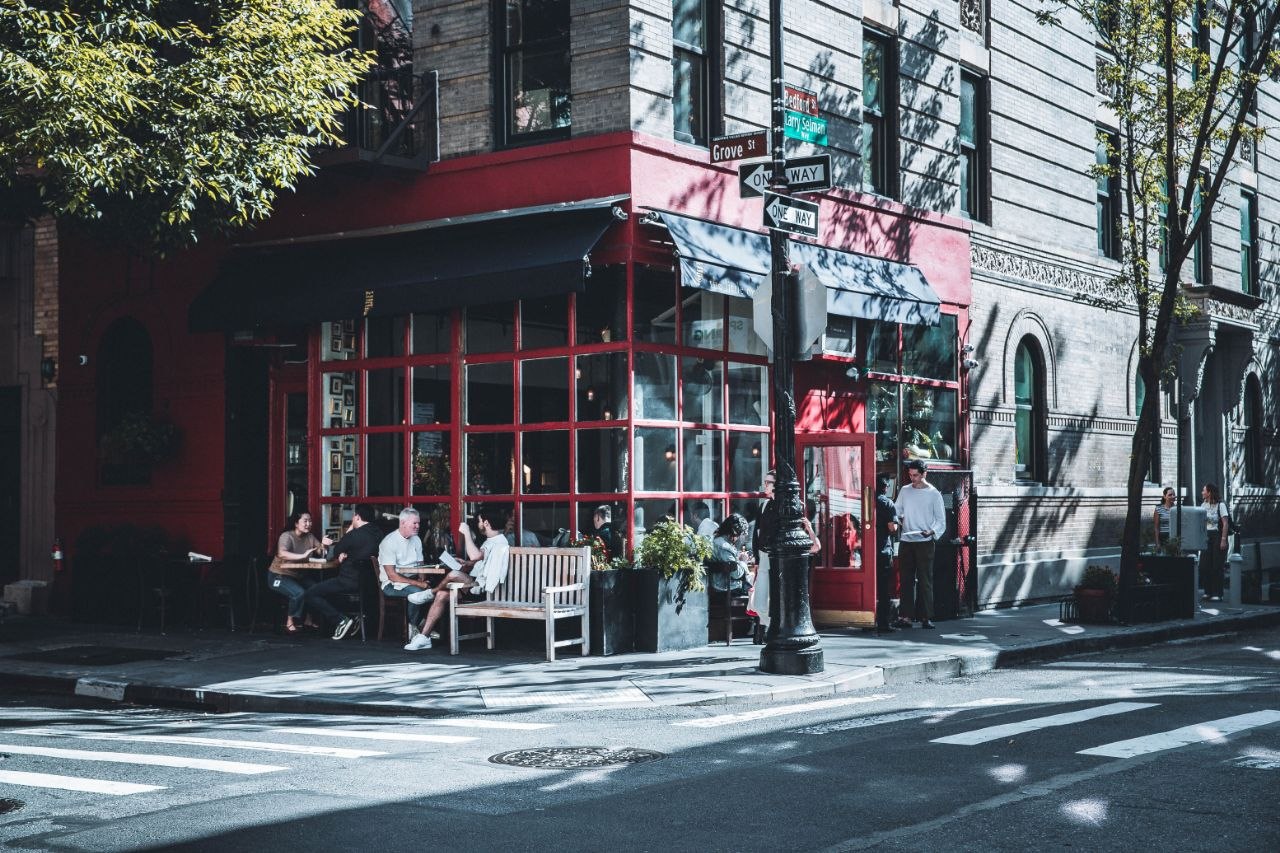
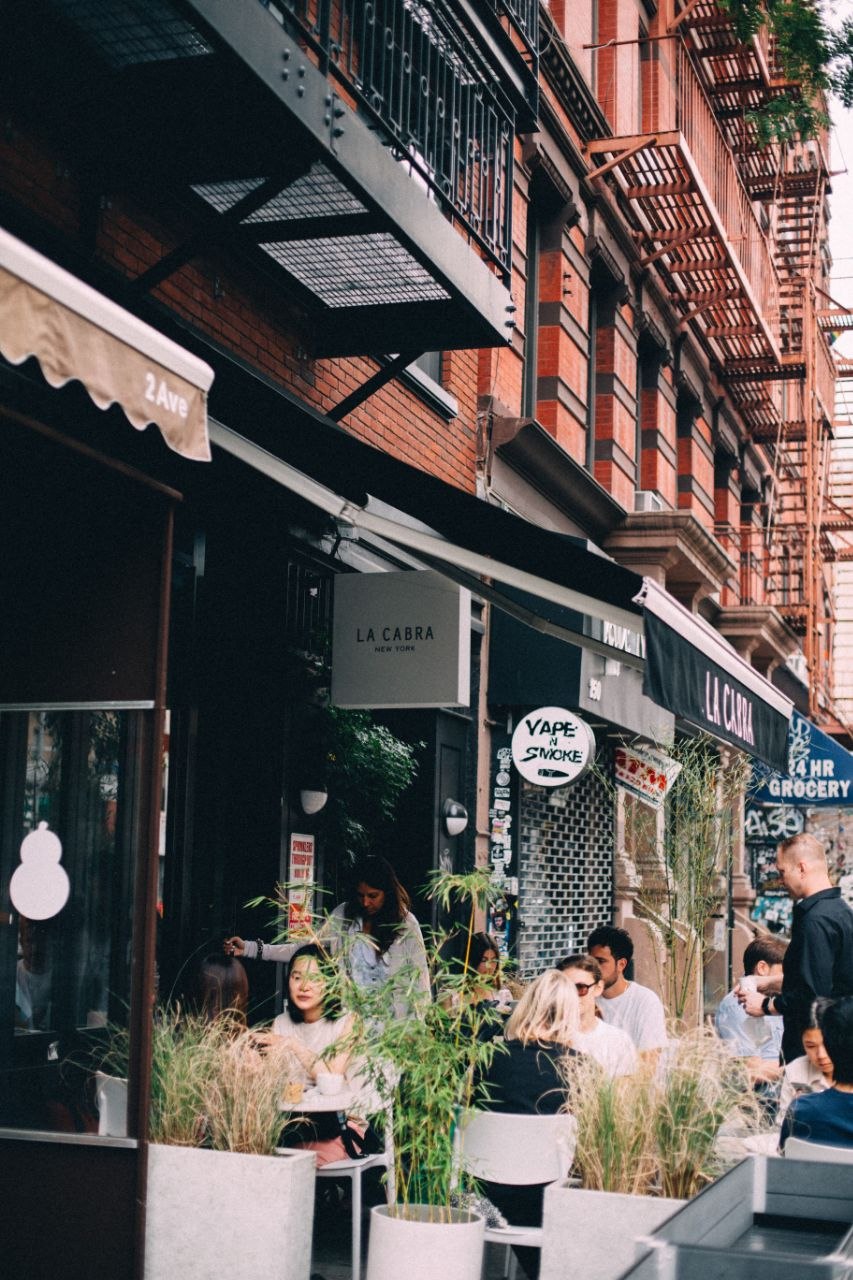
Walk down Mulberry Street or up Amsterdam Avenue on a balmy evening, and you will see a city that has transformed its relationship with the sidewalk. What started as an emergency lifeline for struggling restaurants during the summer of 2020 has become a permanent fixture of New York urban life. The NYC permanent outdoor dining program, officially branded as Dining Out NYC, codifies those temporary structures into a streamlined, safe, and regulated municipal framework.

For locals and visitors alike, eating al fresco against a backdrop of historic architecture and streetscapes is an established New York experience. The temporary era of unregulated DIY dining sheds has concluded. The permanent legislation brings structure to the streetscape, balancing small business support with public safety, accessibility, and sanitation.

The Evolution of the NYC Permanent Outdoor Dining Program

The transition from temporary emergency permits to the finalized NYC permanent outdoor dining program represents one of the largest outdoor dining overhauls in North America. Under the program managed by the NYC Department of Transportation (DOT), the city establishes a clear distinction between sidewalk cafes and roadway dining.

Sidewalk cafes—tables positioned directly against restaurant facades—can operate year-round with proper licensing. In contrast, roadway dining setups occupying former parking lanes are strictly seasonal. Restaurants can operate roadway structures from April 1 through November 29 each year, requiring setups to be removed during the winter months.

This seasonal cycle addresses urban management concerns. By clearing the roadway lanes from November 30 through March 31, city agencies can perform street sweeping, clear snow efficiently, and prevent unmaintained structures from deteriorating or attracting pests.

Standardized NYC Outdoor Dining Design Standards

A primary mandate under the New York street dining legislation is the aesthetic and structural standard required for every setup. The city has phased out fully enclosed, opaque wooden sheds. Instead, updated NYC outdoor dining design standards emphasize open-air transparency, durable materials, and modular construction.

Roadway setups must feature screen-like barriers, clear sightlines, and strict physical parameters. Barriers facing vehicle traffic must be filled with heavy materials, such as water-filled or concrete-weighted planters, to absorb low-speed impacts and add green space. Overhead coverings must provide shade and weather protection without fully enclosing the dining area.

Accessibility is mandatory under these rules. Every outdoor setup must include flush thresholds or compliant ramps so wheelchair users can access tables from the sidewalk. Clear pathways must also be preserved for pedestrians, maintaining at least eight feet of unobstructed sidewalk space at all times.

How Dining Out NYC Guidelines Upgrade the Guest Experience

For diners, these Dining Out NYC guidelines standardize the outdoor dining experience. The initial temporary setups often suffered from uneven floorboards, drafty framing, and sanitation challenges. The regulated structures offer a cleaner, safer, and more consistent environment.

NYC Permanent Outdoor Dining Program: What to Know

By enforcing pest control protocols and cleanable surfaces, the city addresses operational concerns. Flooring materials must be easily washable and elevated slightly off the asphalt to allow stormwater drainage underneath. Rat-proofing standards and strict waste management rules are built into the design mandates.

Sightlines and neighborhood integration have also improved. Because fully enclosed walls are prohibited, outdoor spaces remain integrated with the neighborhood streetscape.

Balancing Neighborhood Character and Small Business Survival

NYC Permanent Outdoor Dining Program: What to Know

Implementing the program requires a financial and operational balance for local hospitality businesses. While the emergency pandemic program provided temporary permits at no cost, the permanent program requires license fees and location-based rate structures determined by location and square footage. Outer-borough establishments and lower-density zones pay lower fee rates than high-traffic commercial corridors in Manhattan.

For restaurant owners, investing in compliant modular, easy-to-disassemble structures represents an upfront capital expenditure. However, a permanent regulatory framework provides long-term operating clarity. Operators can design outdoor setups knowing their structures comply with established city codes.

For communities, the program maintains active streetscapes while establishing clear boundaries. Balancing public right-of-way usage, parking access, and outdoor hospitality ensures city streets remain functional for all residents.

Looking Ahead to NYC Year Round Outdoor Dining

As New York operates under this framework, the streetscape adapts with the seasons. Spring marks the return of authorized roadway setups across the five boroughs, while winter clears roadway lanes for street maintenance.

While roadway setups pause during the coldest months, NYC year round outdoor dining continues along sidewalks. Approved, accessible sidewalk tables operate year-round, offering outdoor seating options through every season.

The permanent program transitions a temporary crisis response into an established, regulated component of New York City's urban design.

New York Earth Room: Inside SoHo’s Secret Loft

0

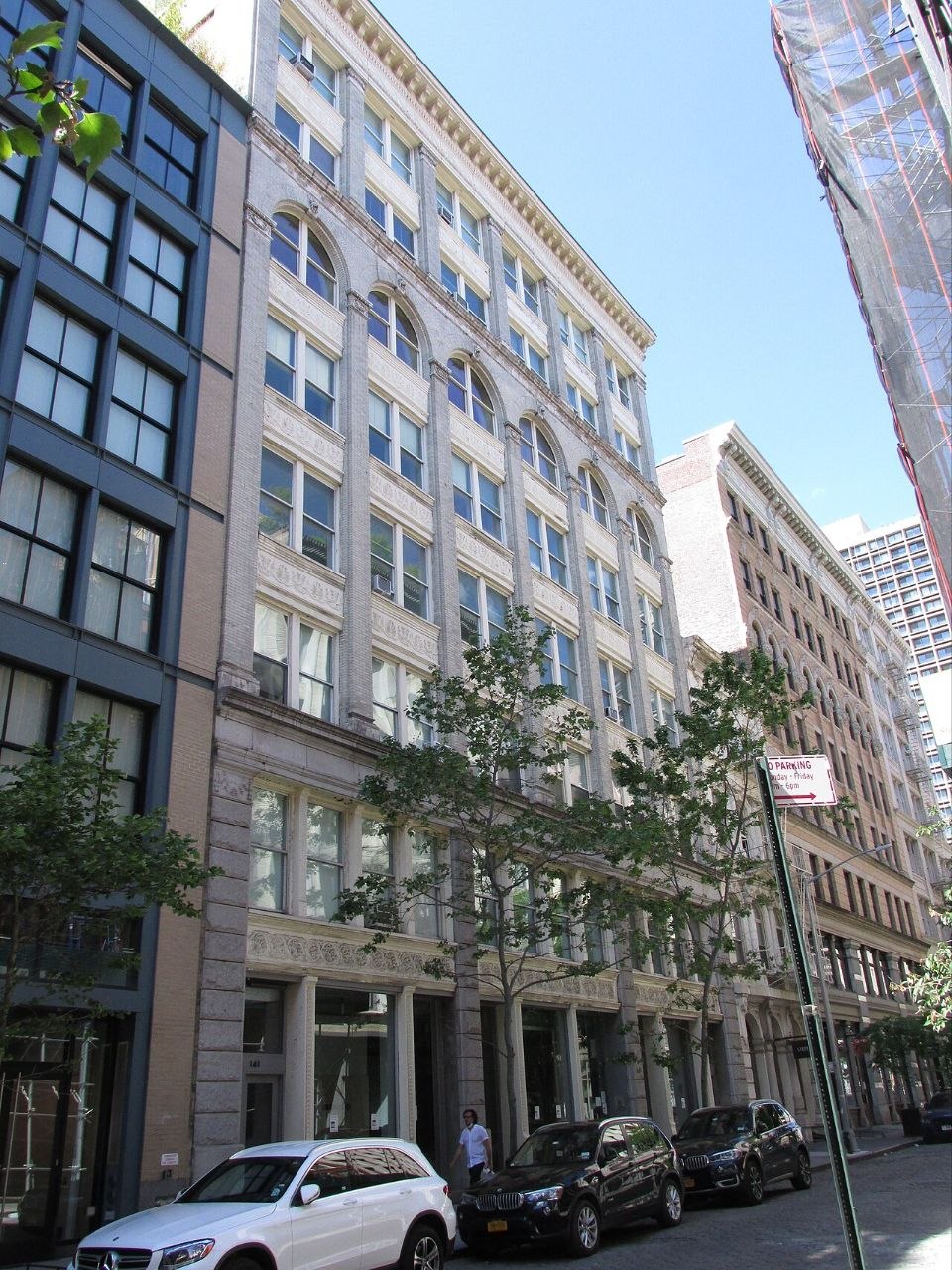
Push open the heavy door at 141 Wooster Street, ring the small, unassuming buzzer, and make your way up the creaky stairwell to the second floor. You are not stepping into a luxury designer boutique or a modern residential loft. Instead, as you cross the threshold, the air becomes noticeably cool, damp, and heavily imbued with the rich, unmistakable scent of a deep forest floor.

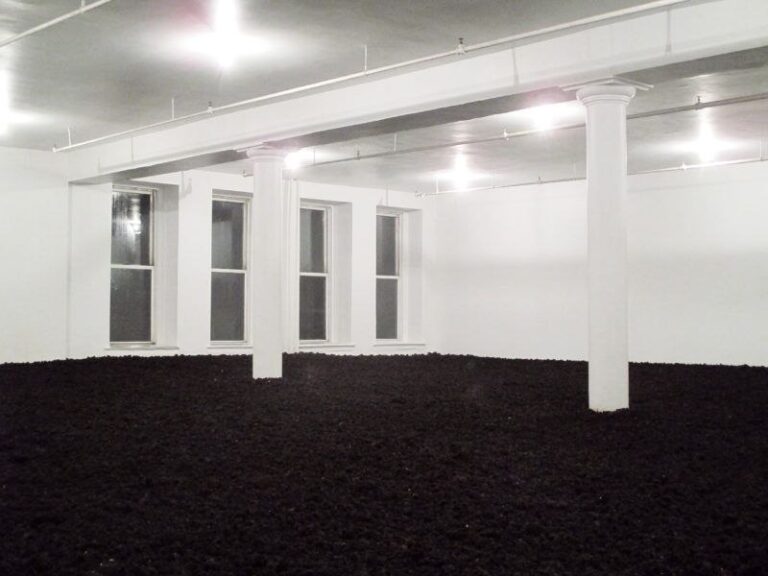
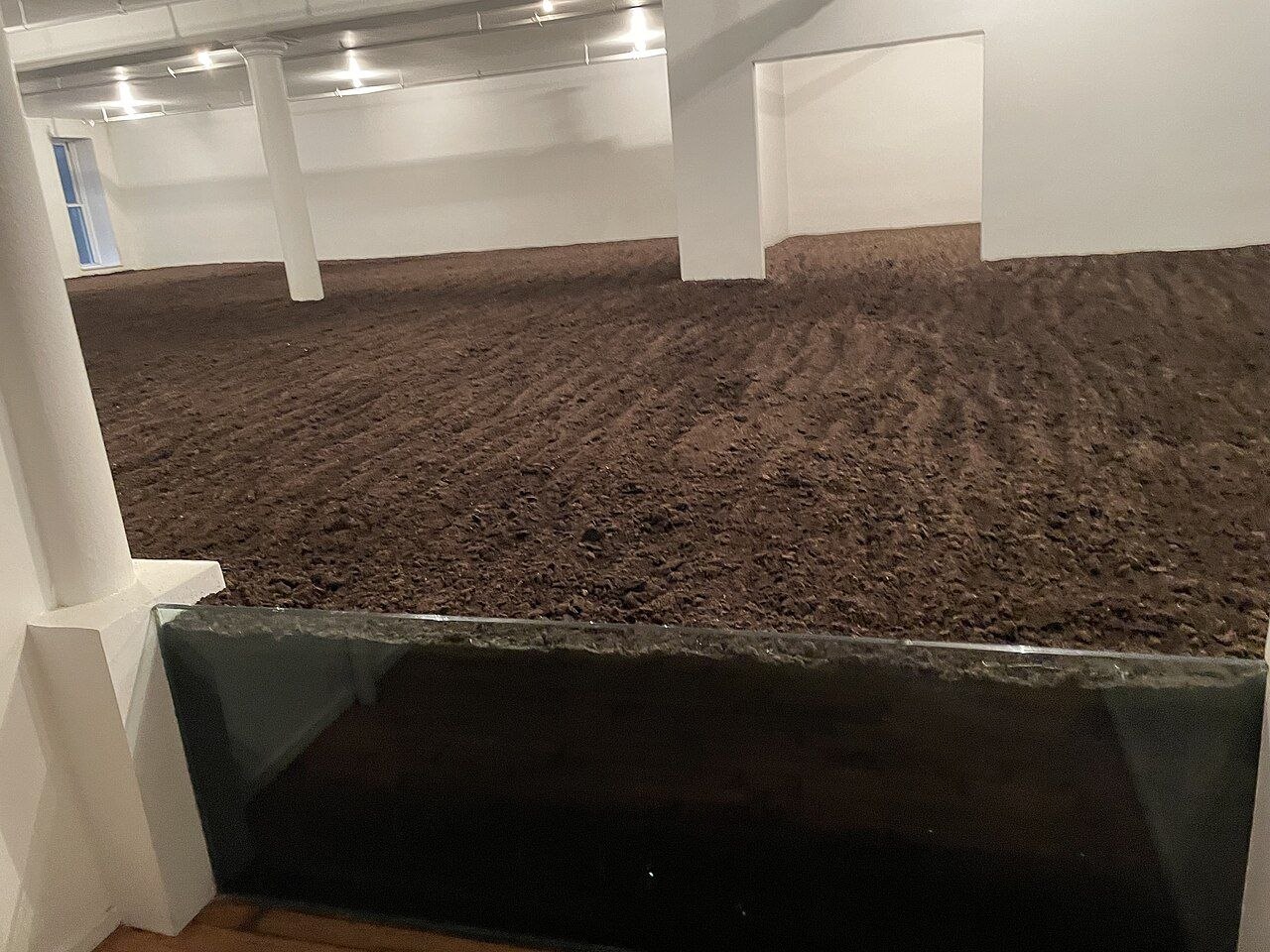
This is the New York Earth Room, a monumental and enduring interior artwork nestled in the heart of SoHo. Maintained continuously inside a classic cast-iron loft space since 1977, this quiet, radical sanctuary holds 280,000 pounds (140 tons) of dark, loamy soil—offering a striking, almost jarring contrast to the high-fashion retail district bustling directly outside its windows.

The Visionary Behind the New York Earth Room

In the 1970s, artist Walter De Maria was a central, pioneering figure in the Land Art and Minimalist movements. While many iconic Land Art projects of the era—such as De Maria’s own famous outdoor installation The Lightning Field in New Mexico or Robert Smithson’s Spiral Jetty—unfolded across vast, remote desert expanses in the American West, De Maria took a wildly unconventional turn by bringing the raw materials of nature directly into an urban gallery setting.

Commissioned and permanently maintained by the Dia Art Foundation (co-founded by Philippa de Menil and Heiner Friedrich), the New York Earth Room was De Maria's third earth installation. It followed earlier, temporary iterations created in Munich, Germany (1968) and Darmstadt, Germany (1974). The Wooster Street location stands today as the only surviving installation of the trilogy.

When it first opened in the autumn of 1977, the installation was intended to remain on view for a mere three months. Yet, nearly five decades later—as SoHo transformed around it from a gritty, industrial artist haven into a global shopping hub—the soil remains entirely intact inside the historic loft, serving as a frozen-in-time testament to 1970s avant-garde New York art.

The Architecture of Earth

The installation covers an impressive 3,600 square feet of floor space across the building's second story. The dark soil mixture is maintained at a uniform depth of 22 inches (56 centimeters), spanning wall to wall and encompassing roughly 197 cubic yards of earth.

Visitors observe the work standing behind a low, clear glass barrier positioned at the entrance threshold. Walking onto the dirt, stepping beyond the glass, and touching the soil are strictly prohibited. This barrier forces visitors to pause and contemplate the sheer, quiet physical presence of 140 tons of earth safely contained within traditional brick, plaster, and timber construction.

A Sensory SoHo Experience, New York City

A Sensory SoHo Experience

Visiting the New York Earth Room is a distinctly immersive sensory experience. Down on Wooster Street, SoHo hums with high-volume foot traffic, taxicabs, and luxury commercial trade. The transition upon entering the gallery space is immediate and total.

The air inside feels cool and humid, carrying the damp, earthen aroma of undisturbed soil after a heavy rain. Because soil is a natural acoustic dampener, the installation absorbs ambient sound, creating a hush where city street noise completely drops away.

Natural light filtering through the large, street-facing loft windows drifts across the surface throughout the day. The changing angles of daylight subtly highlight the visual texture, shadows, and rich tonal variations of the dark soil, making the static room feel quietly alive.

The Stewardship of 280,000 Pounds of Dirt

New York Earth Room: Inside SoHo’s Secret Loft

Maintaining 280,000 pounds of living organic matter inside a Manhattan loft requires ongoing, highly deliberate care from caretakers working with the Dia Art Foundation—most notably long-time resident caretaker Bill Dilworth, who meticulously tended the space for decades.

To preserve the moisture level, dark color, and soil consistency without allowing it to dry into dust or turn to mud, caretakers periodically water the surface using a standard garden hose. Staff regularly rake the expansive area by hand to maintain a level depth, leaving clean, zen-like lines across the earth. Because seeds and airborne spores occasionally arrive through open windows or on visitors' clothing, caretakers hand-weed small green sprouts and mushrooms to preserve the minimalist, unadorned presentation originally designed by De Maria.

Remarkably, the original 140 tons of soil brought into the building in 1977—a calculated mix of peat, bark, and dirt—remain in place today, preserved through continuous, careful environmental maintenance.

Practical Details for Planning Your Visit, New York City

Practical Details for Planning Your Visit

If you plan to experience the New York Earth Room firsthand, keep the following practical details in mind:

  • Address: 141 Wooster Street, 2nd Floor, New York, NY 10012 (located between Prince and Houston Streets in SoHo).
  • Admission: Free admission (donations are welcomed).
  • Photography: Photography and video recording are strictly prohibited inside the space to protect the quiet viewing experience and encourage total presence.
  • Hours & Seasonality: The Earth Room operates on a seasonal schedule (typically closing during the hottest summer months of July and August) and observes a brief mid-afternoon closure daily (usually 3:00 PM to 3:30 PM). Visitors should consult the official Dia Art Foundation website prior to visiting to confirm current operating hours and seasonal reopening dates.

NYC Coffee and Beer Hybrids: Best Day-to-Night Spots

New York City runs on a distinct liquid timeline: caffeine fuels the morning commute, while craft beer unwinds the evening rush. However, the boundary between daytime workspace and nightcap hangout has increasingly blurred. Enter NYC coffee and beer hybrids, dual-concept venues that seamlessly transition from pouring single-origin espresso at dawn to tapping local craft beers at dusk.

Under New York State Liquor Authority (SLA) regulations, establishments holding an On-Premises Liquor or Tavern-Wine License are legally permitted to serve non-alcoholic coffee beverages continuously alongside alcoholic beverages during standard operating hours. This regulatory framework allows local operators to reimagine the traditional neighborhood cafe. Here are three established dual-concept venues defining the city's day-to-night drink culture.

Top NYC Coffee and Beer Hybrids

Hi-Collar (East Village)

Located at 231 East 9th Street, Hi-Collar brings the refined ethos of a traditional Japanese kissaten (coffee house) to the East Village. By day, the wood-accented space focuses intensely on coffee craft, utilizing siphon brewers, pour-overs, and precise extraction techniques.

As evening arrives, the operation transitions. The espresso grinders quiet down, giving way to a curated selection of Japanese craft beers, sakes, and highballs paired with savory izakaya-style bites. It provides an intimate day-to-night experience centered on traditional Japanese hospitality.

TALEA Beer Co. (Williamsburg)

Co-founded by LeAnn Darland and Tara Hankinson, TALEA Beer Co. operates as NYC’s first woman-owned brewery. Their flagship Williamsburg taproom, situated at 87 Richardson Street, is designed to welcome guests throughout the day.

Bright and styled in warm pastel tones, TALEA opens in the morning with a full espresso bar serving coffee alongside fresh pastries. In the afternoon and evening, the space functions as a taproom pouring signature fruit-forward sours, crisp lagers, and hazy IPAs.

Threes Brewing (Gowanus)

Located at 333 Douglass Street in Gowanus, Brooklyn, Threes Brewing integrates all-day food and beverage service into a single footprint. During morning hours, the venue operates as a remote-work space offering coffee, seating, and Wi-Fi for neighborhood freelancers.

By late afternoon, the space shifts focus to Threes' established craft beer lineup, which features lagers, wild ales, and IPAs. With both indoor seating and an outdoor garden space, Threes provides a functional venue for daytime work and evening gatherings.

Scrabble Invented in NYC: The Jackson Heights Story

0

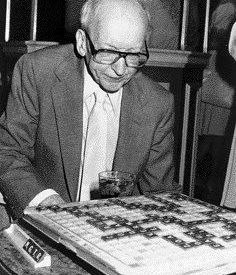
In 1931, during the economic hardship of the Great Depression, architecture firms across New York City faced severe downturns, leaving many skilled draftsmen without work. Among them was Alfred Mosher Butts, an architect residing in Jackson Heights, Queens.

Turning his analytical background toward game design, Butts began developing a new pastime at his dining room table. That creation would eventually become Scrabble, one of the most successful board games in history, with its origins rooted directly in Queens.

The Blueprint of a Board Game

Before designing the board layout, Butts studied existing tabletop games and categorized them into three fundamental types:

  • Numbers games: Dice games, bingo, and traditional card games relying primarily on probability.
  • Movement games: Strategy games like chess and checkers played on a structured grid.
  • Word games: Pastimes like anagrams that relied solely on vocabulary without scoring mechanisms.

Butts identified a missing element in existing word games: a balanced combination of vocabulary skill and chance. He sought to unite the structural mechanics of crossword puzzles with the chance element of drawing randomized letter tiles.

To balance gameplay, Butts established that frequently used letters should yield lower point values, while rarer letters should yield higher values. The challenge lay in determining the exact distribution and point values for each letter in the tile set.

Decoding The New York Times Front Page

To establish an accurate letter distribution, Butts turned to The New York Times. Manually calculating letter frequencies without modern digital tools, he analyzed the front page of the newspaper to tally how often each letter appeared in everyday written English.

Through this statistical breakdown, Butts determined the letter distribution and point values still used in modern English Scrabble sets:

  • Common letters (such as E, A, and T) were assigned 1 point.
  • Rare letters (such as Q and Z) were assigned 10 points.
  • The total number of S tiles was deliberately capped at four to prevent players from easily pluralizing existing words for low-effort points.

From Lexiko to Criss-Cross Words

Butts initially named his creation "Lexiko." The early build had no board; players simply drew wooden tiles from a bag and formed words on a plain surface.

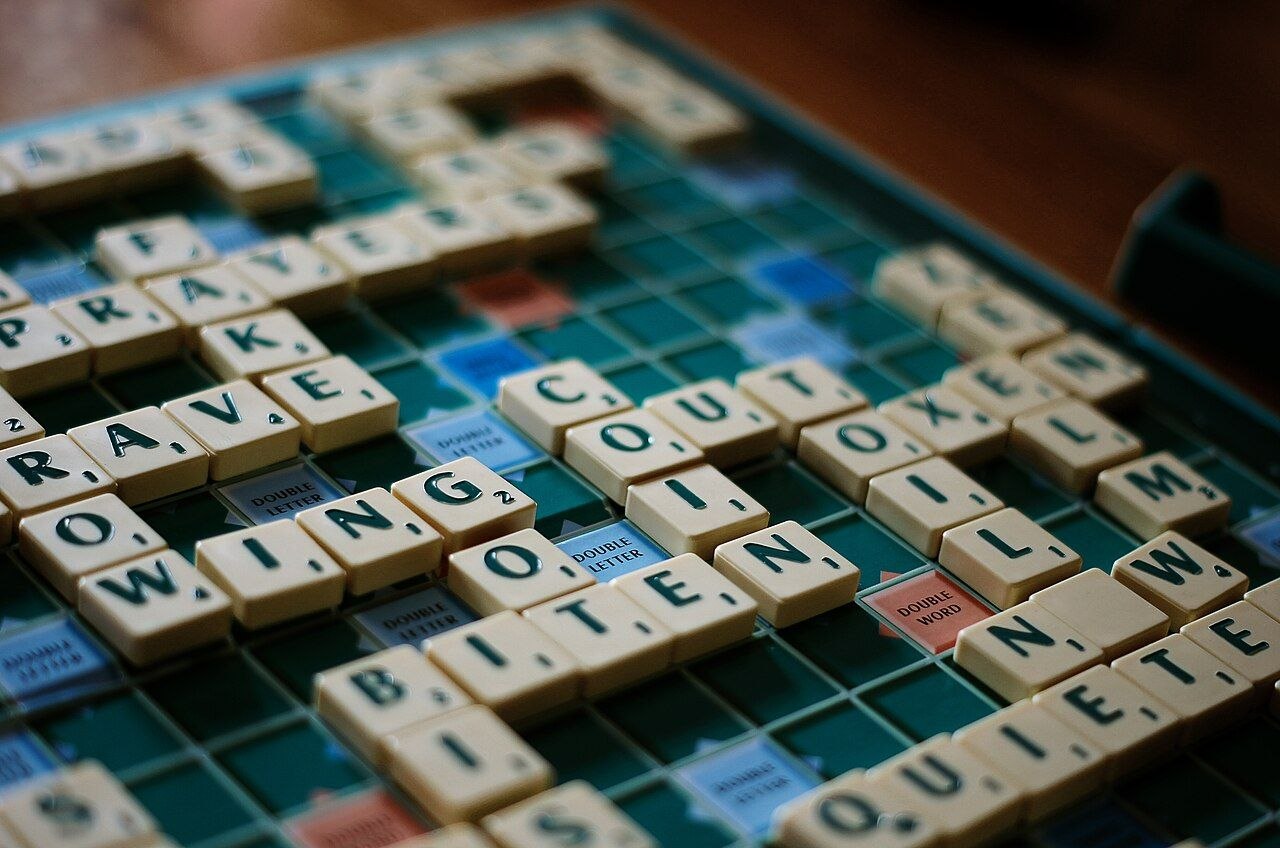
By the mid-1930s, Butts refined the structure by drawing a 15-by-15 grid that introduced premium scoring spaces, including Double Letter and Triple Word squares. He renamed this revised version "Criss-Cross Words."

To test and refine the rules, Butts brought set prototypes to the Community Church of Jackson Heights, located near 35th Avenue and 81st Street. There, Butts and local friends played experimental matches, adjusting word rules and point structures based on feedback.

Despite years of pitching the concept, commercial publishers—including Parker Brothers and Milton Bradley—declined to license the game. Butts hand-manufactured small batches in his home to sell directly to local buyers.

The 1948 Trademark and Macy's Expansion

The trajectory of the game shifted in 1948 when James Brunot, a game enthusiast who had acquired an early set, partnered with Butts. Brunot secured the manufacturing rights in exchange for paying Butts a royalty on each copy produced.

Scrabble Invented in NYC: The Jackson Heights Story

Brunot simplified the rule sheet, revised the board color scheme, and trademarked the name Scrabble in 1948.

The game achieved widespread commercial success in 1952 after Jack Straus, then-president of Macy's, discovered Scrabble while on vacation. Upon realizing Macy's flagship Herald Square store did not stock it, Straus placed a major order, quickly transforming Scrabble into a national best-seller.

Tracing Where Scrabble Was Invented in NYC Today

Visitors to Jackson Heights can still see physical reminders of the game's local history.

At the intersection of 35th Avenue and 81st Street, New York City installed a specialized commemorative street sign honoring Alfred Mosher Butts. The sign for 35th Avenue features subscript numbers under each letter matching Scrabble point values:

Scrabble Invented in NYC: The Jackson Heights Story
  • T carries a subscript 1
  • H carries a subscript 4
  • V carries a subscript 4
  • E carries a subscript 1

A short walk from the sign stands the Community Church of Jackson Heights, where early play-testing occurred. The surrounding neighborhood, designated in part as a historic district, retains much of the 1930s garden apartment architecture that framed Butts's daily life during the game's development.

Scrabble Invented in NYC: The Jackson Heights Story

Legacy of a Queens Innovation

Alfred Mosher Butts eventually resumed his career as an architect, receiving steady royalty payments from Scrabble sales throughout his lifetime. More than 150 million sets of Scrabble have been sold worldwide in over 30 languages.

What began as an unemployed architect counting letter frequencies off The New York Times front page in a Queens apartment remains one of New York City's most enduring contributions to international popular culture.

Frequently Asked Questions

Where in NYC was Scrabble invented?

Scrabble was developed in Jackson Heights, Queens. Unemployed architect Alfred Mosher Butts created early versions in his apartment and tested gameplay at the Community Church of Jackson Heights.

Who invented Scrabble?

Alfred Mosher Butts created the original game concept (Lexiko/Criss-Cross Words) in 1931. James Brunot later acquired the manufacturing rights, refined the design, and registered the trademark name 'Scrabble' in 1948.

Where is the Scrabble street sign located in Queens?

The commemorative Scrabble street sign is located at the intersection of 35th Avenue and 81st Street in Jackson Heights, Queens. It features subscript tile values under each letter of the street name.

How were Scrabble tile values determined?

Alfred Mosher Butts calculated letter values and distribution by manually counting letter frequency across the front page of The New York Times.